

ACUPOINT RENO | INDEPENDENT LOCAL GUIDE
Cupping Therapy in Reno: Types, Benefits, and Safety
Cupping therapy uses cups placed on the skin to create suction. Some studies have compared it with other care for back, neck, and knee pain. Here is what to expect, why marks appear, what local price examples show, and how to check safety before choosing care in Reno.
Last updated: November 2026
Key Takeaways
- Cups create suction, with or without heat. Wet cupping also breaks the skin.
- Back and neck studies found pain relief; knee results depend on the type of comparison.
- Round marks come from suction on small blood vessels, not toxins leaving the body.
- Fire, skin cuts, poor hygiene, and strong suction create different risks.
- Ask about training, clean equipment, and each step before agreeing to treatment.
What is cupping?
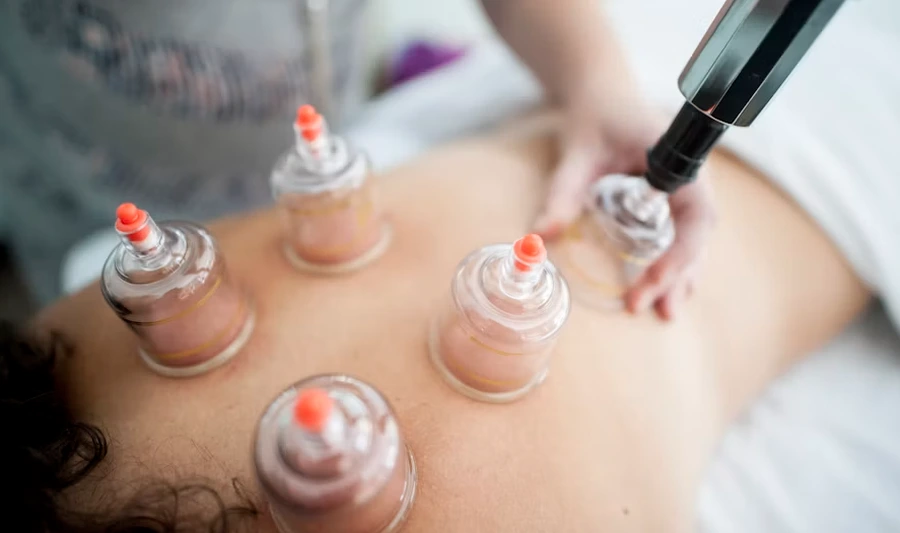
In cupping therapy, a trained provider places a cup against your skin and creates suction. The skin rises slightly into the cup. A pump or briefly heated air can create suction inside the cup.
Suction lifts the skin and soft tissue beneath it. It may increase blood flow near the surface and affect nerves that carry pain signals. Researchers are still studying how suction might affect pain and other symptoms.
Unlike acupuncture, which uses thin needles, dry cupping relies on suction against unbroken skin. The main methods are described below.
What are the benefits of cupping therapy?
Cupping therapy has been studied for ongoing back and neck pain. Several trials found less pain than in the groups used for comparison:
- Moving cups for neck pain: A 2017 trial with 50 adults found less neck pain and easier daily movement than with usual care alone.
- Wet cups for back pain: A 2015 trial of 80 adults found average pain scores of about 29 out of 100 after wet cupping, versus 58 without it after two weeks. Both groups could use pain medicine.
- Dry cups for neck pain: A 2011 trial of 50 adults found less neck pain after five dry-cupping sessions than in a group waiting for treatment.
These findings concern back and neck symptoms. See our back pain guide and neck pain guide for related care.
What do studies of cupping show?
Research on cupping has reported encouraging pain results, but the comparison used matters. Some of the evidence is low certainty. People can feel suction, making treatment hard to hide from participants. Pretend cupping uses little suction or releases it quickly, so researchers can compare it with real cups.
- 2026, knee arthritis: A carefully controlled trial of 62 women found that dry cupping did not relieve knee pain more than pretend cupping. It tested dry cups, not wet cupping.
- 2024, lower back pain: A review of 11 trials with 921 adults found less pain after cupping than after medicine or usual care at the end of treatment, usually within two to eight weeks. The review rated that short-term evidence high quality, though differences between trials limit how widely the result applies.
- 2018, earlier knee studies: A review of five trials found less knee pain when dry cups were added to medicine than with medicine alone. Unlike the 2026 trial, these comparisons did not use pretend cups. The review rated its evidence weak because of study limitations.
How do dry, moving, fire, and wet cupping differ?
The main difference is how suction is made and whether the skin is cut. Wet cupping cuts the skin and needs extra care to prevent infection because blood is involved.
| Method | What happens | Safety difference |
|---|---|---|
| Wet cupping | Small skin cuts allow blood into the cup | Sterile single-use cutting tools and blood precautions are essential |
| Dry cupping | A pump or flexible cup lifts intact skin | Watch suction strength and skin condition |
| Moving cupping | Oil helps a cup glide over the skin | Ask about skin irritation and oil ingredients |
| Fire cupping | Heat briefly removes air before the cup is placed | A flame adds a burn and fire hazard |
During fire cupping, the flame should never touch your skin.
Why do circular marks appear after cupping?
Suction stretches the skin and affects tiny blood vessels beneath it [2]. This can leave round marks that look like bruises. The marks may be red, purple, or brown. They do not mean toxins have left your body.
The marks usually fade within one to two weeks. Their color and how long they last can vary. You may also feel mild tenderness.
Darker marks do not mean better results. If another healthcare professional examines your skin, explain that you recently had cupping [1].
What happens during a cupping session?
Before treatment, the provider should ask about your health, check your skin, and explain what will happen. You should be asked for consent. Wet cupping also needs a clear explanation of the skin cuts.
You may lie face down for back cupping or sit for neck cupping. Cups stay on clean skin for several minutes or move across it with oil [2].
Before starting, ask how to tell the provider if the suction hurts. They should remove the cup gently if you feel sharp pain.
Afterward, the provider should check your skin and explain any needed care. Our first-visit guide covers useful consent questions.
What does cupping feel like?
You may feel pulling or pressure against the skin. Moving cups may feel like a firm massage. Severe pain is not expected [2].
Stronger suction does not mean better results. Ask for less pressure if it hurts.
Some people feel dizzy or faint, especially during wet cupping [9]. Tell the provider if this has happened to you before.
How many cupping sessions did trials use?
Three trials used 5 to 12 sessions over 2 to 6 weeks. These are study schedules, not a fixed plan for everyone.
| Trial | Schedule | Comparison |
|---|---|---|
| 2015 wet back-pain trial | 6 wet-cupping sessions over 2 weeks | No treatment (both groups could use pain relief medicine) [4] |
| 2026 knee trial | 12 sessions, twice weekly for 6 weeks; 15 minutes each | Real versus pretend suction [6] |
| 2017 neck trial | 5 moving-cup sessions over 3 weeks | Usual care while waiting for treatment [3] |
The trials compared cupping with different types of care. Ask how your symptoms and skin will be checked before agreeing to more visits.
How much does cupping cost in Reno?
Published cupping therapy fees from three Reno provider websites ranged from $60 to $90 when checked in November 2026. A separate local wet-cupping price could not be verified.
| Service | Published price | Session length |
|---|---|---|
| Wet cupping | Not publicly verified in Reno | Ask provider |
| Fire cupping | $60 | 30 minutes |
| Cupping session | $70 | 30 minutes |
| Cupping-only treatment | $90 | Not stated |
These are individual examples, not a Reno-wide average. Prices can change, and wet cupping may have different fees. Ask whether the fee covers a full visit or an add-on, and request the current total in writing. See our Reno acupuncture cost guide for other price questions.
When should you seek urgent medical care after cupping?
Stop the procedure and seek medical help for any of these warning signs:
- Severe burn: Large blisters, deep skin damage, or a burn on a sensitive area.
- Possible infection: Spreading redness, warmth, pus, or painful swelling at a cup site.
- Fever: A high temperature after skin cuts or new signs of infection.
- Fainting: Loss of consciousness or ongoing severe dizziness during or after a session.
- Bleeding: Blood from a wet-cupping cut that does not stop with firm pressure.
Get urgent medical care for these problems. NHS advises cooling a fresh burn under cool running water for 20 minutes. Do not use ice or burst blisters. Call emergency services for a serious injury or if someone collapses.
Spreading redness after wet cupping can mean infection [1]. Tell the clinician when the procedure happened.
Who should take extra care with cupping?
Some health conditions, medicines, and skin problems need extra care. A clinical guide advises checking health history and medicines before treatment [9].
- Bleeding and medicines: Wet cupping may be unsafe if you have a bleeding disorder or take blood thinners. Ask your treating clinician about the risk first. Never stop prescribed medicine for cupping.
- Skin and healing: Avoid cups on broken skin, rashes, inflamed eczema, sunburn, infections, fresh scars, and areas of recent surgery. If your wounds heal slowly, ask your clinician when the area is ready.
- Veins and circulation: Do not place cups over varicose veins, possible blood clots, or large visible blood vessels. Ask your clinician for advice if you have had a deep vein clot.
- Pregnancy: Avoid cupping on the belly and lower back. Ask your maternity clinician before considering any method, especially wet cupping.
- Children and older adults: Older adults may have thin, fragile skin, while children may find it hard to describe pain. Ask a qualified clinician whether cupping is suitable.
- Heart health and other concerns: Tell the provider about heart disease, implanted devices such as pacemakers, anemia, or past fainting [9]. Ask your clinician whether cupping is suitable.
Wet cupping needs sterile, single-use cutting tools, gloves, safe blade disposal, and clean equipment. Shared or dirty tools can spread infections such as hepatitis B and C [1]. Check that the provider is trained and allowed to perform this procedure.
Reusable cups must be cleaned between patients. Fire cupping also needs care around flames and anything that could catch fire [9].
Are home cupping kits a safe option?
A home kit cannot assess the cause of your pain. Cupping should not delay medical care [1]. Keep these precautions in mind:
- Ask a healthcare professional about your symptoms first.
- Strong suction can injure the skin. Do not use household flames or cut your skin at home [9].
- Check cups for cracks and sharp edges. Do not use a kit with unclear instructions.
- Never share equipment that has touched blood.
Frequently Asked Questions
Can cupping therapy help back pain?
Cupping may help some adults with ongoing back pain. A 2024 review found less pain in cupping groups than in some comparison groups. Before trying it, ask a healthcare professional to check what may be causing your symptoms. You can also ask how progress would be measured if you have several visits. Our back pain guide explains other care options and symptoms that need medical attention.
Can I plan cupping around an important event?
Cupping may leave round marks that are visible for a week or two. If you have a wedding, swimming event, or another occasion, plan for that possibility. Ask the provider where cups would go and what skin changes to expect afterward. You do not need darker marks to get a better treatment. If you develop blisters or increasing pain rather than ordinary marks, seek medical advice.
How should I choose between wet and dry cupping?
Dry cupping uses suction on unbroken skin, while wet cupping involves small cuts. Wet cupping needs extra infection-control steps, including sterile single-use cutting tools. If you prefer to avoid cuts, tell the provider before the session begins. Ask which method they recommend, why, and how their equipment is cleaned. You can decide whether the suggested procedure suits your health and preferences after hearing the explanation.
Can cups help knee arthritis?
You can discuss cupping as an extra option for knee arthritis, but it has not shown a clear pain advantage against pretend cupping. A 2026 trial compared dry cups with pretend cups, while an earlier review compared cups added to medicine with medicine alone. Ask a clinician what is causing your knee pain and which exercises or other care may suit you. Our knee pain guide explains practical next steps.
How long should I wait to shower after cupping?
No single shower waiting time has been verified for every type of cupping. Dry cupping leaves the skin intact, while wet cupping creates small cuts that need care. For minor cuts, the CDC advises washing with soap and water and covering open wounds with a clean, dry bandage. Ask your provider for written aftercare instructions, including when to shower and how to care for a dressing. Follow the advice given for your skin and procedure.
Does insurance cover cupping in Reno?
Coverage depends on your insurance plan and how the provider charges for cupping. A plan that covers acupuncture may not cover cups or extra techniques. Our Reno acupuncture insurance guide explains how to check coverage, required approval, and what you may have to pay. Contact your insurer before paying and ask for the answer in writing. Keep the representative’s name and any reference number.
Considering cupping therapy in Reno
Studies of cupping for back and neck pain have reported encouraging results. Knee studies used different comparisons, so the findings are less consistent for that condition. Knowing what each method involves can help you choose care that fits your needs.
Before choosing care in Reno, ask about the method, safety steps, and full cost. You can also read our acupuncture safety guide and discuss your symptoms with a healthcare professional.
References
- National Center for Complementary and Integrative Health. Cupping. Accessed November 2026.
- Cleveland Clinic. Cupping Therapy: Definition, Types & Benefits. Accessed November 2026.
- Saha FJ, Schumann S, Cramer H, et al. The Effects of Cupping Massage in Patients with Chronic Neck Pain: A Randomised Controlled Trial. Complement Med Res. 2017;24(1):26-32. PMID: 28219058.
- AlBedah AM, Khalil MK, Elolemy AT, et al. The Use of Wet Cupping for Persistent Nonspecific Low Back Pain: Randomized Controlled Clinical Trial. J Altern Complement Med. 2015;21(8):504-508. PMID: 26069973.
- Lauche R, Cramer H, Choi KE, et al. The influence of a series of five dry cupping treatments on pain and mechanical thresholds in patients with chronic non-specific neck pain: a randomised controlled pilot study. BMC Complement Altern Med. 2011;11:63. PMID: 21843336.
- Cavalcanti RR, Silva HJA, Pontes-Silva A, et al. Dry cupping therapy has no effect on pain, function, or quality of life in women with knee osteoarthritis: Randomized placebo-controlled trial. Braz J Phys Ther. 2026;30(1):101259. PMID: 41043303.
- Zhang Z, Pasapula M, Wang Z, Edwards K, Norrish A. The effectiveness of cupping therapy on low back pain: A systematic review and meta-analysis of randomized control trials. Complement Ther Med. 2024;80:103013. PMID: 38184285.
- Wang YL, An CM, Song S, Lei FL, Wang Y. Cupping Therapy for Knee Osteoarthritis: A Synthesis of Evidence. Complement Med Res. 2018;25(4):249-255. PMID: 30007978.
- Furhad S, Sina RE, Bokhari AA. Cupping Therapy. StatPearls. Updated October 30, 2023. Accessed November 2026.
- National Health Service. Burns and scalds. Accessed November 2026.
- Nevada State Board of Oriental Medicine. Licensing. Accessed November 2026.
- Centers for Disease Control and Prevention. Preventing Group A Strep Infection: Wound Care Tips. Accessed November 2026.
This information is provided for general educational purposes and is not a substitute for professional medical advice, diagnosis, or treatment. Always consult a qualified healthcare provider regarding your specific condition before starting or changing any treatment.