

ACUPOINT RENO | INDEPENDENT LOCAL GUIDE
Acupuncture for Knee Pain in Reno
Acupuncture for knee pain may ease osteoarthritis discomfort and improve movement for some adults. Learn about research, visits, and warning signs.
Last updated: November 2026
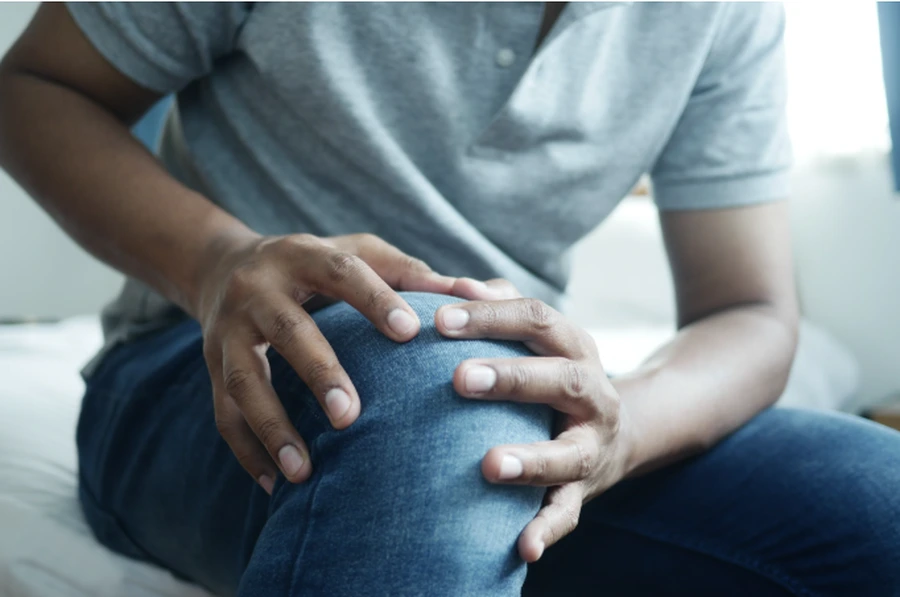
Key Takeaways
- Studies suggest acupuncture may ease knee osteoarthritis pain.
- Some people report easier movement and better joint function.
- Acupuncture has not been shown to regrow worn knee cartilage.
- A hot, swollen knee or new calf swelling needs medical attention.
- Tell your practitioner about medicines, pregnancy, and other health conditions.
What is knee osteoarthritis?
Osteoarthritis affects cartilage, bone, and other tissues around the joint. Knee pain may worsen with walking or stairs. Stiffness after rest and reduced movement are also common.
Not every painful knee has osteoarthritis. Injuries, inflammation, and infections may cause similar symptoms. A healthcare professional can examine your knee and check for other causes.
What are the benefits of acupuncture for knee pain?
Studies in adults with knee osteoarthritis describe several possible benefits:
- Less knee pain during everyday activities, including movements that place weight on the joint.
- Better physical function, making some routine movements easier to manage.
These findings mainly concern adults with knee osteoarthritis. Treatment goals usually include less pain and easier movement.
What does research say about knee acupuncture?
Researchers have compared real needling with other treatments or pretend acupuncture. Key findings include:
- A large 2024 review included 80 trials and 9,933 participants. It found possible pain and function improvements.
- In a 2004 trial of 570 patients, real needling improved pain and function at 26 weeks over pretend treatment.
- Another randomized study from 2005 enrolled 294 patients. It found better knee function after eight weeks.
- A later 2014 study enrolled 282 adults. It did not find clear benefits over a pretend comparison for key outcomes.
Researchers sometimes use the term “sham acupuncture” for pretend acupuncture in controlled trials.
The findings are mixed. Some trials show meaningful improvements, while others find small or uncertain differences. The 2024 review rated much of the evidence as very low certainty. How acupuncture works explains proposed effects.
What happens at a knee acupuncture visit?
The practitioner will ask where and when symptoms started. Explain how walking, stairs, and rest affect your knee. Describe past injuries, swelling, locking, or falls.
Tell the practitioner about medications, blood thinners, pregnancy, and any prior knee surgery. They may choose points around your knee or elsewhere. Sterile, single-use needles should be used. Ask questions before treatment starts.
You can pause or stop a session if uncomfortable. Review our acupuncture safety guide before deciding.
How many acupuncture sessions are typical for knee pain?
Two major studies used about 12 to 23 sessions over 8 to 26 weeks. This is a trial range, not a schedule for everyone.
- 2005 trial: 12 sessions over eight weeks.
- 2004 trial: 23 sessions over 26 weeks.
- Review pain, walking, and daily function before agreeing to more visits.
Your practitioner should adjust any plan to your needs. Recording pain during stairs and walks may help measure progress. Ask what changes would justify continuing treatment.
When should knee symptoms receive urgent care?
Some knee problems need prompt medical assessment rather than a treatment appointment. Watch for these warning signs:
- A hot, swollen, red joint, especially with fever or chills.
- A locked knee or inability to straighten it.
- Severe pain, swelling, or difficulty walking after injury.
- New calf pain or swelling, particularly on one side.
- Chest pain or sudden breathing trouble with leg symptoms. Seek emergency care immediately.
A hot swollen joint can signal infection. Calf pain and one-sided swelling may indicate a blood clot. The NHS and CDC explain these concerns. Acupuncture does not replace medical care for urgent symptoms.
Who needs additional precautions?
Blood thinners
Needles can cause minor bleeding or bruising. Tell your practitioner if you take an anticoagulant or have a bleeding disorder. Ask your prescribing clinician whether special precautions are needed. Never stop medicine without medical guidance.
Older adults
Some older adults have balance problems, falls, or several health conditions. Discuss mobility limits and recent injuries with the practitioner. A clinician can help plan suitable strengthening and physical activity. Not every older adult’s knee pain is osteoarthritis.
Pregnancy
Pregnancy may change balance, posture, and joint symptoms. Tell your prenatal clinician and acupuncturist before considering care. They should check the cause of the pain and discuss whether treatment is suitable.
Teenagers and children
Young people often have different causes of knee pain. Evidence from adult osteoarthritis studies does not establish benefits for children. A pediatric clinician should evaluate persistent pain, swelling, limping, or injuries.
How does acupuncture fit with other knee care?
Acupuncture for knee pain can be considered alongside exercise and clinician-guided care. Movement, strengthening, and physical therapy may help preserve everyday function. Treatment choices should reflect your diagnosis and abilities. If knee discomfort follows workouts or repeated training, our sports recovery guide explains soreness, strains, and when to seek care.
Ask about medicines, walking aids, or weight management if relevant. Our guide to acupuncture and weight management explains the research and precautions for that separate topic. Knee symptoms can differ from nerve pain or spinal conditions. Our electroacupuncture guide explains how electrical pulses are used with acupuncture needles. The moxibustion guide explains a separate technique that warms points with burning mugwort. Our back pain guide and sciatica guide explain those concerns.
Frequently Asked Questions
Can acupuncture for knee pain help osteoarthritis?
Yes, acupuncture may reduce pain and improve physical function for some adults with knee osteoarthritis. A 2024 review of 80 trials found possible improvements in both outcomes. People may consider acupuncture alongside exercise and other care recommended by their healthcare team. Ask a clinician to confirm your diagnosis, then discuss whether an acupuncture trial fits your treatment goals.
Is acupuncture around the knee painful?
Some people feel a brief pinch or dull sensation, but a session should not involve persistent sharp pain. Your practitioner may place thin needles near the knee or at other points, depending on your assessment. Sterile, single-use needles help reduce the risk of infection. Tell the practitioner immediately about pain, dizziness, or discomfort, and ask to pause or stop whenever needed.
How many knee acupuncture visits might I need?
There is no single session count that suits everyone with knee osteoarthritis. One trial used 12 sessions across eight weeks, while another used 23 sessions across 26 weeks. Those schedules describe research programs, not a required course for every patient. Ask your practitioner how progress will be measured, and review pain and daily function before agreeing to further visits.
Can acupuncture regrow knee cartilage?
Acupuncture has not been shown to regrow damaged knee cartilage. Clinical studies mainly assess symptoms such as pain and physical function, not the rebuilding of joint tissue. Osteoarthritis can affect several parts of the joint, so symptom relief does not mean the underlying changes have reversed. Ask a clinician to assess increasing pain, swelling, or changes in how your knee moves.
Can I receive acupuncture while taking blood thinners?
You may be able to receive acupuncture while taking blood thinners, but your prescribing clinician and acupuncturist should review the risks first. Even thin needles can cause bruising or bleeding, and your medicines may affect that risk. Never stop a prescribed blood thinner just to attend a session. Bring an updated medication list and explain any unusual bleeding or recent bruising before treatment.
Is acupuncture for knee osteoarthritis covered by insurance in Reno?
Coverage depends on your policy and diagnosis. Acupoint Reno is an independent guide and cannot confirm your benefits. Read the Reno acupuncture insurance guide and ask your insurer. Ask whether your specific knee diagnosis qualifies, whether prior approval is needed, and what each visit may cost. Keep a written record of the answers before booking.
Considering knee acupuncture in Reno
Acupuncture for knee pain may help some adults with osteoarthritis feel more comfortable during daily activities. Confirm the cause of symptoms and discuss options with your healthcare team. Review possible benefits and risks before choosing care.
Browse the Conditions hub and the Nevada acupuncturist choosing guide for a practical next step.
References
- Liu CY, Duan YS, Zhou H, et al. Clinical effect and contributing factors of acupuncture for knee osteoarthritis: a systematic review and pairwise and exploratory network meta-analysis. BMJ Evid Based Med. 2024;29(6):374-384. PMID: 39486882.
- Berman BM, Lao L, Langenberg P, Lee WL, Gilpin AM, Hochberg MC. Effectiveness of acupuncture as adjunctive therapy in osteoarthritis of the knee: a randomized, controlled trial. Ann Intern Med. 2004;141:901-910. PMID: 15611487.
- Witt C, Brinkhaus B, Jena S, Linde K, Streng A, Wagenpfeil S, Hummelsberger J, Walther HU, Melchart D, Willich SN. Acupuncture in patients with osteoarthritis of the knee: a randomised trial. Lancet. 2005;366(9480):136-143. PMID: 16005336.
- Hinman RS, et al. Acupuncture for chronic knee pain: a randomized clinical trial. JAMA. 2014;312:1313-1322. PMID: 25268438.
- NCCIH. Chronic Pain and Complementary Health Approaches: Usefulness and Safety. Accessed November 2026.
- NCCIH. Acupuncture: Effectiveness and Safety. Accessed November 2026.
- National Health Service. Knee Pain. Accessed November 2026.
- Centers for Disease Control and Prevention. About Venous Thromboembolism. Accessed November 2026.
This information is provided for general educational purposes and is not a substitute for professional medical advice, diagnosis, or treatment. Always consult a qualified healthcare provider regarding your specific condition before starting or changing any treatment.