

Independent Reno acupuncture information
Acupuncture FAQs: Answers for Reno Patients
Acupuncture FAQs bring short, sourced answers to common questions from Reno readers. Browse results, safety, sessions, costs, and Nevada licensing topics. Related guides explain complex questions in more detail.
Last reviewed: November 2026
Acupuncture FAQs: What Are the Basics?
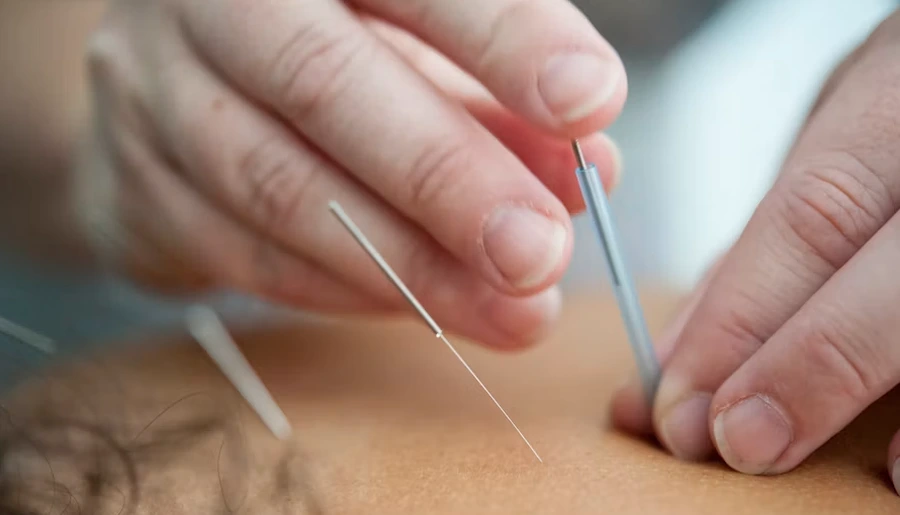
What is acupuncture?
Acupuncture places very thin needles at selected points on the body. Practitioners use it for concerns such as ongoing pain. Read How Acupuncture Works: Science and Evidence for the research.
How does acupuncture work?
Acupuncture stimulates nerve endings that send signals toward the brain. These signals may change how pain feels. See How Acupuncture Works: Science and Evidence for a plain explanation.
Does acupuncture actually work?
Yes, studies found benefits for some chronic-pain conditions. A review of 39 trials included 20,827 people. Real acupuncture outperformed no acupuncture and pretend (sham) acupuncture, with a smaller difference against the pretend version. Read How Acupuncture Works: Science and Evidence.
Is acupuncture just a placebo effect?
Not entirely. In several chronic-pain trials, real acupuncture did modestly better than the pretend version. Expectations can also affect symptoms. See How Acupuncture Works: Science and Evidence.
What happens to your body during acupuncture?
Thin needles stimulate nerve endings and nearby tissues. Signals travel toward the brain and may affect how pain is felt. See How Acupuncture Works: Science and Evidence for the steps.
Is acupuncture the same as dry needling?
No, although both methods use thin needles. Dry needling often targets tender muscle areas called trigger points, while acupuncture may use traditional points. Mayo Clinic describes these different approaches. Ask which technique is planned.
Does acupuncture involve anesthesia or injections?
No, standard acupuncture does not inject medication or normally require anesthesia. It involves placing thin needles through the skin. Ask your practitioner before agreeing to additional procedures.
Acupuncture FAQs: What Conditions Have Research Support?
What conditions have been studied for acupuncture treatment?
Studies have examined acupuncture for back and neck pain, knee osteoarthritis, migraine, and tension headaches. Osteoarthritis means joint changes that cause pain and stiffness. See How Acupuncture Works: Science and Evidence for the findings.
Can acupuncture help with chronic low back pain?
Yes, some trials found improvements in pain and daily function for people with ongoing low back pain. Chronic means long-lasting rather than brief. See How Acupuncture Works: Science and Evidence.
Can acupuncture help prevent migraine attacks?
Yes, acupuncture may reduce migraine attacks for some people. A 2016 review gathered 22 trials involving nearly 5,000 participants. Real acupuncture beat usual care and slightly outperformed the pretend version. See How Acupuncture Works: Science and Evidence.
Can acupuncture help with frequent tension headaches?
Yes, a 2016 review of 12 trials found fewer headache days for some participants. The studies included about 2,350 people. Benefits over the pretend version were modest. See How Acupuncture Works: Science and Evidence.
Can acupuncture help with knee arthritis pain?
Yes, acupuncture may ease knee osteoarthritis pain for some people. A 2018 analysis included 10 studies with 2,413 participants in comparisons with no acupuncture. Benefits over the pretend version were smaller. See How Acupuncture Works: Science and Evidence.
Can acupuncture help with anxiety or sleep problems?
Possibly. NCCIH reports limited evidence for anxiety and insomnia, which means difficulty sleeping. Most studies were small or low quality, so discuss ongoing symptoms with your healthcare provider.
What is the success rate of acupuncture?
There is no single success rate across all conditions. A 39-trial analysis involving 20,827 people found average benefits for chronic pain, not one success percentage. Outcomes depend on the condition and comparison treatment. See How Acupuncture Works: Science and Evidence.
How long does it take after acupuncture to see results?
Some people notice changes during a treatment course, but there is no set number of days. Mayo Clinic advises reassessing if symptoms have not improved within a few weeks. Ask when your own progress should be reviewed.
Acupuncture FAQs: What About Safety and Side Effects?
Is acupuncture safe?
Yes, acupuncture is generally low risk when performed correctly with sterile needles. Minor soreness and bruising can occur. Share your medical history before treatment. Read our acupuncture safety guide for more detail.
What are the most common side effects of acupuncture?
Mild soreness, bruising, or small amounts of bleeding are the most common effects. They usually settle quickly. Tell the practitioner about unusual or persistent symptoms.
Who should avoid acupuncture or talk to a doctor first?
People taking blood thinners or with skin infections should discuss safety before acupuncture. Pregnancy and implanted devices also call for extra care. A healthcare professional can help assess your situation.
Can acupuncture cause nerve damage?
Rarely, incorrect needle placement may injure nerves or nearby tissues. Proper training and safe technique help reduce this risk. Tell the practitioner about unexpected pain.
Are there any downsides or risks to acupuncture?
Yes, although research suggests acupuncture may help with some long-term pain. Downsides include mild soreness, time, cost, and uncertain benefit for an individual. Discuss these before starting.
When should I seek medical care instead of acupuncture?
Seek prompt medical care for sudden severe pain, new weakness, or loss of bladder or bowel control. These symptoms need medical assessment. Do not delay urgent evaluation.
Are acupuncture needles sterile and single-use?
Yes, U.S. rules require acupuncture needles to be sterile and labeled for single use. They should not be reused between patients. Ask how needles are handled and discarded.
Acupuncture FAQs: What Should I Expect at My First Visit?
What happens during my first acupuncture appointment?
Your first visit usually starts with questions about symptoms, medical history, and treatment goals. The practitioner should explain the proposed treatment before you agree. See Acupuncture First Visit in Reno: What to Expect.
Does acupuncture hurt, and what does it feel like?
Most people feel little discomfort when thin needles enter the skin. Some feel pressure, tingling, or a dull ache. Tell the practitioner about sharp pain. See Acupuncture First Visit in Reno: What to Expect.
How long does an acupuncture session last?
An acupuncture appointment may last up to 60 minutes, although some are shorter. Mayo Clinic says needles typically remain in place for 10 to 15 minutes. Ask about the total appointment time. See Acupuncture First Visit in Reno: What to Expect.
What should I do before getting acupuncture?
No special preparation is usually required for standard acupuncture, according to Mayo Clinic. Bring a medication list and questions about your health. See Acupuncture First Visit in Reno: What to Expect.
What should I do after an acupuncture session?
Many people feel relaxed after acupuncture, while others feel more energetic. Follow any advice tailored to your treatment. Mention unexpected symptoms to your healthcare provider.
How many acupuncture sessions will I need?
Mayo Clinic describes six to eight treatments as common for one concern. The number depends on your condition and response. Ask when progress will be reviewed. See Acupuncture First Visit in Reno: What to Expect.
Can I ask the practitioner to stop if I feel uncomfortable?
Yes, you can ask the practitioner to stop or remove a needle. Consent means agreeing after a treatment is explained, and you can change your mind. See Acupuncture First Visit in Reno: What to Expect.
Do I need to undress during acupuncture?
Not always. The practitioner may need access to an arm, leg, or back. Draping means using a gown, towel, or sheet to cover areas not being treated. See Acupuncture First Visit in Reno: What to Expect.
What should I tell the acupuncturist about my health history?
Share your medications, allergies, pregnancy status, implanted devices, and major health conditions. Mention fainting or previous needle reactions. See Acupuncture First Visit in Reno: What to Expect.
What should I wear to an acupuncture appointment?
Wear loose, comfortable clothes when possible. They make treatment areas easier to reach. You can request draping for privacy. See Acupuncture First Visit in Reno: What to Expect.
Acupuncture FAQs: How Do Costs and Insurance Work?
How much does acupuncture cost in Reno?
Acupuncture fees vary by practitioner and appointment type in Reno. A first consultation may cost more than a later session. Read How Much Does Acupuncture Cost in Reno? Prices Explained for published fee examples.
Is buying a package of acupuncture sessions worth it?
A package may be worthwhile if you will use its visits and accept its terms. Check expiration dates, refund rules, and total fees. See How Much Does Acupuncture Cost in Reno? Prices Explained.
Is acupuncture covered by insurance?
Some insurance plans cover acupuncture for certain conditions. Benefits depend on your plan, diagnosis, and eligible practitioner. Read Acupuncture Insurance in Reno: What Does Insurance Cover? before booking.
Does Medicare cover acupuncture?
Yes, Original Medicare Part B covers acupuncture for qualifying chronic low back pain only. Provider and visit limits apply. See Acupuncture Insurance in Reno: What Does Insurance Cover? for those requirements.
Does Nevada Medicaid cover acupuncture?
Nevada Medicaid coverage for acupuncture is not clearly listed in public policy, so confirm it with your plan. Do not assume coverage or exclusion. See Acupuncture Insurance in Reno: What Does Insurance Cover?.
Do I need a referral or prior authorization for acupuncture?
You might, depending on your insurance plan. Prior authorization means insurer approval before treatment. See Acupuncture Insurance in Reno: What Does Insurance Cover? for questions to ask.
Can I get reimbursed after paying for acupuncture myself?
Possibly, if your insurance plan accepts claims for that service and practitioner. A superbill is a detailed receipt with treatment codes used for reimbursement. Read Acupuncture Insurance in Reno: What Does Insurance Cover? for the rules.
How Do I Choose a Nevada Acupuncture Practitioner?
How do I check an acupuncturist’s Nevada license?
Use the practitioner’s full name to check the Nevada Board of Oriental Medicine’s official license listing. Confirm the credential and current status. Read our guide to verifying a Nevada acupuncture practitioner for the checklist.
Do all acupuncture practitioners have the same qualifications?
No, training, licenses, and allowed treatments differ by practitioner type. Ask which Nevada credential covers the proposed service. See About Acupoint Reno: An Independent Acupuncture Guide.
What should I ask about a practitioner’s experience?
Ask about experience with your symptoms and how treatment progress will be reviewed. Also ask about safety practices and consent. Read About Acupoint Reno: An Independent Acupuncture Guide.
What if the practitioner does not explain the treatment?
Ask for a clear explanation before you agree to treatment. You may decline a procedure that has not been explained. See About Acupoint Reno: An Independent Acupuncture Guide for questions to ask.
Is Acupoint Reno a clinic or an independent guide?
Acupoint Reno is an independent information guide, not a clinic. It does not provide treatments, appointments, or insurance billing. Read About Acupoint Reno: An Independent Acupuncture Guide for its editorial standards.
How Are Acupuncture and Other Treatments Different?
What is the difference between acupuncture and acupressure?
Acupuncture places thin needles through the skin, while acupressure applies pressure without needles. Both approaches involve selected body points. Ask which method is being offered.
How is electroacupuncture different from regular acupuncture?
Electroacupuncture adds small electrical pulses through selected needles. Standard acupuncture does not require electrical stimulation. Mention any pacemaker or implanted device before treatment.
Is cupping or acupuncture better for muscle pain?
Neither treatment has been shown best for everyone with muscle pain. Acupuncture uses needles, while cupping applies suction with cups on the skin. Discuss your symptoms and treatment options.
How does acupuncture compare with chiropractic care for neck pain?
Acupuncture uses needles, while chiropractic treatment may involve hands-on spinal manipulation. Evidence for neck pain varies by technique and study. Neither has been proven best for everyone.
What Should I Know About Acupuncture in Special Health Situations?
Is acupuncture safe during pregnancy?
Acupuncture may sometimes be considered during pregnancy with suitable precautions. The practitioner may need to avoid certain point choices. Discuss the plan with your prenatal healthcare provider.
What are the five forbidden acupuncture points during pregnancy?
There is no universally accepted five-point list of medically forbidden acupuncture points. Traditional guidance warns about certain points during pregnancy. Discuss individual precautions with your prenatal clinician.
Can I have acupuncture if I take blood thinners?
Possibly, but blood-thinning medicines can increase bleeding concerns. The NHS advises checking safety before acupuncture if you take them. Tell your prescribing clinician, and do not change medication yourself.
What if I have a pacemaker or another implanted device?
Tell the practitioner about a pacemaker or other implanted device before treatment. Electrical stimulation through needles may interfere with some pacemakers. Ask the clinician managing your device about precautions.
Can children receive acupuncture?
Yes, some children receive acupuncture, and NCCIH says it appears safe with properly trained practitioners. Children’s needs and comfort vary. Discuss treatment with the child’s healthcare provider.
Is acupuncture suitable for older adults with other medical conditions?
Yes, some older adults with chronic back pain improved their function in an NIH-funded trial. Other medical conditions and medicines still matter. Discuss suitability with a healthcare professional.
Still Have a Question About Acupuncture?
These acupuncture FAQs give brief answers. The related guides explain each subject in more detail.
Acupoint Reno is an independent information guide, not a clinic. It provides no treatment, appointments, or insurance billing.
References
- NCCIH. Acupuncture: Effectiveness and Safety.
- Vickers et al. Acupuncture for Chronic Pain. Journal of Pain. 2018.
- Mayo Clinic. Acupuncture: Procedure and Risks.
- NCCIH. Complementary Approaches for Chronic Pain.
- NCCIH. Anxiety and Complementary Health Approaches.
- NCCIH. Sleep Disorders and Complementary Health Approaches.
- NCCIH. Mind and Body Practices for Children and Teens.
- NIH. Acupuncture for Chronic Back Pain in Older Adults. 2025.
- NCCIH. Cupping.
- NHS. Herbal Medicines and Complementary Therapies.
- Carr DJ. Forbidden Points in Obstetric Acupuncture. 2015.
- Medicare.gov. Acupuncture Coverage.
- Nevada Board of Oriental Medicine. Licensing.
- 21 CFR 880.5580. Acupuncture Needle.
- NCCIH. Low-Back Pain and Complementary Approaches.
- Mayo Clinic News Network. On Pins and Needles: Just What Is Dry Needling? 2023.
This information is provided for general educational purposes and is not a substitute for professional medical advice, diagnosis, or treatment. Always consult a qualified healthcare provider regarding your specific condition before starting or changing any treatment.