

ACUPOINT RENO | INDEPENDENT LOCAL GUIDE
Ear Seeding in Reno: Benefits, Safety, and Visits
Ear seeding uses small seeds or beads taped to the outer ear, with no needles. Some research found better pain, anxiety, or sleep scores, but results vary. Here is what it feels like, what studies actually show, and how to use it safely.
Last updated: November 2026
Key Takeaways
- Tiny seeds or beads sit on the outer ear under tape. No needles enter the skin.
- Some studies found better pain, anxiety, and sleep scores, but not for everyone.
- Seeds are usually worn for three to five days and removed sooner if uncomfortable.
- Pregnancy, ear infections, skin allergies, and young children need extra caution.
- Fever, spreading redness, severe ear pain, or choking needs prompt medical help.
What is ear seeding?
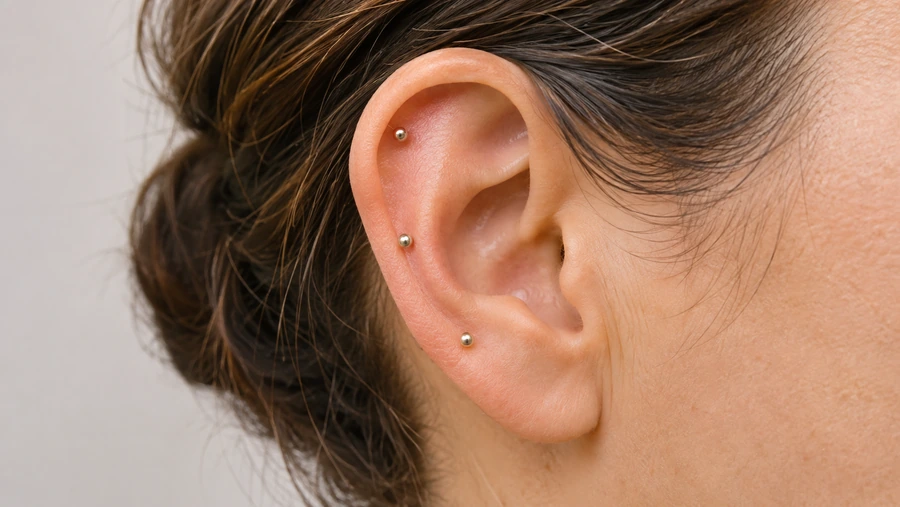
Ear seeding uses tiny seeds or beads taped to points on the outer ear. You press each patch gently with a fingertip. It uses no needles. Cleveland Clinic explains how the patches are applied and pressed.
Some patches contain plant seeds and others have metal pellets. They sit on the skin, not inside it. Ear-point acupressure is another name for the broader pressure technique.
Ear acupuncture is different because fine needles enter the skin. Acupressure elsewhere uses fingers on other areas of the body. Results from either approach do not automatically apply to taped seeds.
What are the benefits of ear seeding?
Some trials and reviews found better symptom scores than comparison care:
- A 2026 trial found less interference from chemotherapy-related nerve symptoms than usual care with coached ear-point pressure.
- A 2025 trial involving older adults found less back pain and fewer activity limits than education-only care.
- A 2025 review found lower chronic muscle and joint pain scores than pretend ear-point pressure.
- A 2024 review found lower anxiety scores than in control groups.
- A 2024 review found better reported sleep scores than with comparison treatments.
These studies used different forms of ear-point pressure. The findings do not establish that a specific home kit or bead material will bring the same improvement.
What does research show about pain, sleep, anxiety, and weight?
The evidence is mixed, especially because studies of ear-point pressure do not always test ear-seed stickers alone. Pretend acupressure is a comparison that resembles treatment but uses different points or stimulation.
- Nerve symptoms: A 2026 trial of 227 cancer survivors reported early improvements in how nerve symptoms affected daily life compared with usual care [2]. The main benefit was short-lived, and differences in participation limit confidence.
- Back pain: A 2025 trial involving 272 older adults found better pain outcomes with both targeted and other ear points than with education-only care [3]. The two ear-point groups did not clearly differ.
- Chronic pain: A 2025 review of six trials found lower pain and better function scores compared with pretend ear-point pressure [4]. Much of the evidence was low certainty.
- Anxiety: A 2024 review of 25 trials involving 1,909 people reported lower anxiety scores than comparison care [5]. The studies used different methods.
- Sleep: A 2024 review of 23 trials involving 1,689 people found better reported sleep scores than comparison treatments [6]. Results may not apply equally to every type of ear patch.
- Weight: A 2024 review combining several ear-stimulation techniques found only a small average difference in weight compared with controls. It combined ear pressure, needles, and electrical methods. The change was unlikely to matter much in daily life. This does not show that ear stickers produce meaningful weight loss or remove toxins.
Ear seeds have not been shown to be equivalent to needle acupuncture. You can read related guides about anxiety, sleep, back pain, neuropathy, and weight-related findings.
How does this differ from ear acupuncture and body acupressure?
These methods use different tools and locations. Only taped seeds remain on the ear after application.
| Method | How it works | Needles? |
|---|---|---|
| Ear seeding | A taped seed or bead is pressed on the outer ear | No |
| Ear acupuncture | Fine needles enter selected ear points | Yes |
| Body acupressure | Fingers press areas beyond the outer ear | No |
Ask which technique is being suggested, and whether any supporting trial actually used that approach. Ear pressure is not the same as needling, even when both use some of the same ear points.
What happens during a visit?
A qualified acupuncturist should ask about symptoms, medicines, allergies, skin conditions, and possible pregnancy. They should explain the points selected and check that the outer ear is healthy. You may ask questions or decline placement.
The outer ear is cleaned and dried. Small adhesive patches containing seeds or beads are placed on selected spots. The acupuncturist shows you how to press gently without hurting the skin.
The patches remain after the visit, unlike acupuncture needles. A licensed professional can help assess whether the method suits your health needs; a home kit cannot provide that assessment. Our Nevada acupuncturist choosing guide and first-visit guide explain licensing, consent, and visit questions.
What does it feel like, and how long are seeds worn?
The patches feel like tiny raised spots on the ear. Gentle pressing may cause mild tenderness or warmth. Pain that persists or gets worse means you should stop pressing and remove the patch.
A common wear period is three to five days [1]. Tape can loosen during sleep or showering, so check the skin daily. Do not keep a loose patch attached merely to finish a schedule.
Remove the patches gently when their wear period ends or sooner if they feel uncomfortable:
- Wash your hands before touching the patch.
- Lift the tape gently and peel it off slowly.
- Catch and dispose of the small seed or bead away from children so it does not fall into the ear canal.
If a bead falls into the ear canal, avoid cotton swabs and ask a clinician to remove it.
Check for irritated skin after removal. Redness that grows, drainage, or severe pain needs medical advice. Allow the skin to recover before any new patch is applied.
How many visits did the trials use?
Several studies used weekly placement for about four weeks. These are research schedules, not fixed treatment plans. The trial reports describe:
- 2026 nerve-symptom trial: Four weeks of ear-point pressure with in-person or coached self-placement [2].
- 2025 older-adult back-pain trial: Four weekly placements, with five days of wear and two days without seeds [3].
- 2013 back-pain pilot: Four weekly applications. People pressed seeds daily and removed them by the fifth day, with better pain scores than seeds on other ear points.
The research schedules do not establish how many visits you need. Discuss your goals, skin comfort, and other medical care before repeating applications.
When should you remove seeds and seek urgent care?
Remove patches if safe and seek medical assessment when concerning symptoms develop:
- Spreading redness or swelling: The ear becomes increasingly hot, red, swollen, or tender.
- Pus or fever: Drainage, chills, or a high temperature may signal infection.
- Severe ear pain: Especially after piercing, injury, or a new patch.
- Serious allergy: Sudden swelling of the mouth or throat, or trouble breathing.
- A swallowed or inhaled bead: Choking, coughing, swallowing trouble, or a child swallowing a seed.
NHS ear-infection guidance explains urgent warning signs. NHS advice covers severe allergic reactions, and pediatric guidance explains swallowed small objects. Call emergency services for choking, breathing trouble, or throat swelling.
If a child swallows a seed, contact pediatric care promptly and explain what was swallowed. Breathing or swallowing symptoms require emergency assessment.
Who should take extra care with these patches?
Even though no needles enter the skin, some people need extra care. Tell the person applying seeds about these concerns:
- Skin irritation and allergies: Adhesives, nickel, or other metals can cause a rash. Stop if itching or redness develops.
- Broken or infected skin: Avoid active ear infections, eczema flares, open cuts, fresh piercings, and cartilage injury.
- Diabetes or poor circulation: Ask your clinician first if healing is slow or ear sensation is reduced.
- Pregnancy: Some practitioners avoid certain ear points in pregnancy. VA guidance advises against its specific ear-bead protocol during pregnancy. Avoid self-placement and ask your pregnancy clinician first.
- Blood thinners and medicines: Mention medicines and bleeding conditions, especially if skin is fragile or injured.
- Children and older adults: Beads can loosen. Avoid use where a child could swallow one or a person cannot remove it safely.
NHS guidance covers skin conditions and blood-thinning medicines with needle acupuncture. That does not prove taped beads have the same bleeding risk. NCCIH explains additional risks from acupuncture needles. Read our acupuncture safety guide for related precautions.
Never place a bead inside the ear canal. If you have ear pain, a recent injury, or signs of infection, ask a clinician to examine the ear before using any patches.
Can you safely use a home kit?
A home kit usually has patches, a point chart, and a tool for placing beads. A chart cannot diagnose a health concern or replace advice from a qualified acupuncturist. If you decide to try a kit, follow these precautions:
- Before you start: Ask a qualified acupuncturist if the method and placements suit you. Wash your hands, clean and dry the outer ear, use materials you tolerate, and avoid broken skin. Keep loose beads away from children.
- While wearing: Press gently and check the skin every day. Keep patches on no longer than three to five days, or follow a shorter limit from your clinician. Do not reuse adhesive or put beads inside the ear.
- When to stop: Remove a patch sooner if it hurts, itches, loosens, or causes redness. Seek medical advice if redness spreads or a bead enters the ear canal.
If you are pregnant, have an ear infection, or need to manage a child’s symptoms, ask a clinician rather than choosing points from a chart. A professional can review safety, but a home kit cannot replace that discussion.
Frequently Asked Questions
Does ear seeding hurt?
Usually not. You may feel mild tenderness when pressing a seed, but you should not feel sharp or lasting pain. If the tape causes itching, redness, or a rash, remove it rather than pressing harder. Tell a qualified acupuncturist about your skin sensitivities before trying this method. Ask for a demonstration of gentle pressure and a safe way to remove the patch.
Can the patches help anxiety or poor sleep?
Possibly. A 2024 review found lower anxiety scores with ear-point pressure than with comparison care [5], and another found better reported sleep scores [6]. The reviews included different ways of providing pressure, so they cannot promise results from every kit. Keep following your recommended medical care and ask your clinician about other ways to manage persistent symptoms.
How long should the patches stay on?
Usually three to five days, although you should follow any shorter limit given by a clinician. Adhesive can irritate skin if it remains in place too long. A 2025 back-pain trial used five days of wear followed by two days without seeds [3]. Remove a seed sooner if it becomes painful, itchy, or loose, and allow irritated skin to recover before trying another patch.
Can I use an ear-seed home kit?
Yes, but a home kit is not the same as a health assessment. Ask a qualified acupuncturist whether the method and placement are appropriate, especially if you have allergies or a medical condition. Use clean hands, dry outer-ear skin, and materials you tolerate. Do not place a loose bead inside the ear. Remove any patch that causes pain, a rash, or increasing redness.
Are the patches safe during pregnancy or for children?
Not without medical guidance. Some practitioners avoid certain ear points in pregnancy [12], and detached beads can create a choking risk for small children. Ask your pregnancy clinician before trying ear-point treatment. Keep loose beads away from babies and young children. If a child swallows one, contact a pediatric professional promptly, and seek emergency help for choking or breathing trouble.
Does insurance cover ear seeding in Reno?
Possibly. Coverage depends on the health plan, the diagnosis, and how a separate practitioner bills for the service. Acupuncture benefits do not necessarily include ear-seed applications or home kits. Our Reno acupuncture insurance guide explains how to ask about covered care, referrals, and visit limits. Contact your insurer before paying for treatment and request confirmation of the benefits in writing.
Considering ear seeding in Reno
Ear seeding offers gentle pressure from tiny taped beads or seeds without needles. Some studies of ear pressure found benefits for pain, anxiety, sleep, or nerve symptoms, but that does not mean every kit works equally well. It is not the same treatment as needle acupuncture.
If you would like to explore this method in Reno, talk with a qualified professional about skin safety, placement, and removal. Your comfort and medical care should guide the decision.
References
- Cleveland Clinic. Thinking About Using Ear Seeds? What You Should Know. Accessed November 2026.
- Lukkahatai N, Jiang Y, Zhang J, et al. Auricular point acupressure for chemotherapy-induced peripheral neuropathy: a randomized controlled trial. Support Care Cancer. 2026;34(11):1175. PMID: 42961520.
- Kawi J, Yeh CH, Lukkahatai N, et al. Auricular point acupressure for older adults with chronic low back pain: a randomized controlled trial. Pain Med. 2025;26(9):515-526. PMID: 40152243.
- Lee TKW, Chang JR, Hao D, Fu SN, Wong AYL. The Effectiveness of Auricular Acupressure on Chronic Musculoskeletal Pain: A Systematic Review and Meta-Analysis of Randomized Controlled Trials. J Integr Complement Med. 2025;31(1):25-35. PMID: 39018502.
- Hu N, Soh KL, Japar S, Li T. Ear-Marking Relief: A Meta-Analysis on the Efficacy of Auricular Acupressure in Alleviating Anxiety Disorders. Complement Med Res. 2024;31(3):266-277. PMID: 38417402.
- Jun L, Xiong L, Wen Y, Yongxiang W. Effectiveness of applying auricular acupressure to treat insomnia: a systematic review and meta-analysis. Front Sleep. 2024;3:1323967. PMID: 41424527.
- Hua K, Usichenko T, Cummings M, et al. Effects of auricular stimulation on weight- and obesity-related parameters: a systematic review and meta-analysis of randomized controlled clinical trials. Front Neurosci. 2024;18:1393826. PMID: 39165337.
- Yeh CH, Chien LC, Balaban D, et al. A randomized clinical trial of auricular point acupressure for chronic low back pain: a feasibility study. Evid Based Complement Alternat Med. 2013;2013:196978. PMID: 23554825.
- National Health Service. Ear infections. Accessed November 2026.
- National Health Service. Anaphylaxis. Accessed November 2026.
- American Academy of Pediatrics, HealthyChildren.org. Swallowed Foreign Object: Symptom Checker. Accessed November 2026.
- U.S. Department of Veterans Affairs. Battlefield Auricular Acupressure (BAA). Accessed November 2026.
- National Health Service. Herbal medicines and complementary therapies. Accessed November 2026.
- National Center for Complementary and Integrative Health. Acupuncture: Effectiveness and Safety. Accessed November 2026.
This information is provided for general educational purposes and is not a substitute for professional medical advice, diagnosis, or treatment. Always consult a qualified healthcare provider regarding your specific condition before starting or changing any treatment.